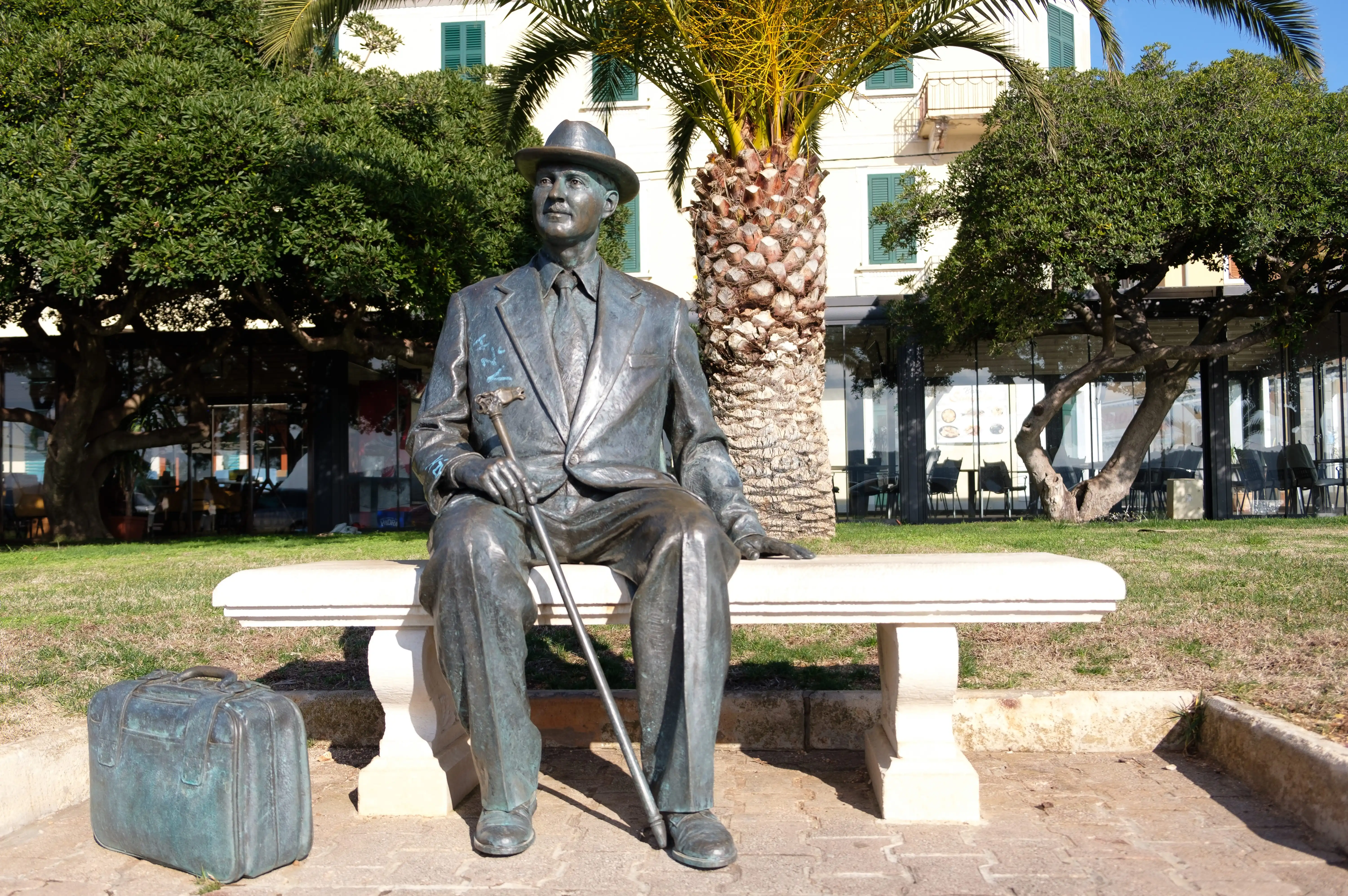
Biograd na Moru remembers through its monuments, including the monument to Vagan Melik Karaganjan, the entrepreneur who built Hotel Ilirija in the 1930s and laid the foundations of organized tourism.
When a City Remembers: The Story of Biograd’s Monuments and the Man Who Dreamed It
HR: Kad grad pamti: priča o spomenicima Biograda i čovjeku koji ga je sanjao
DE: Wenn eine Stadt Erinnerung bewahrt: Die Geschichte der Denkmäler von Biograd und des Mannes, der es erträumte
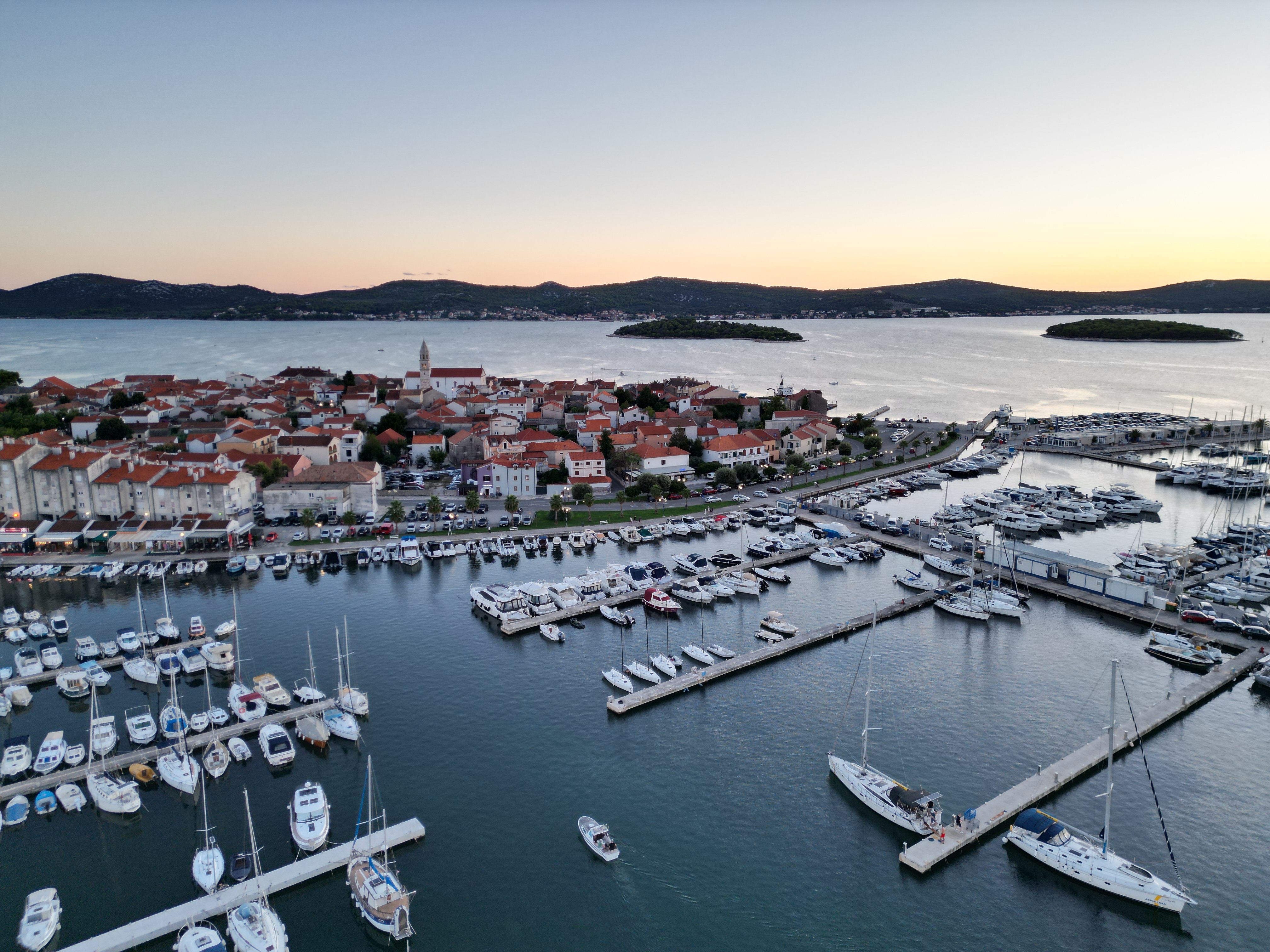
When you arrive in Biograd na Moru, you may first be captivated by the sea, the marina, the promenades, and the sunsets. Yet every city has its quieter side, the one revealed through the stories and the people who shaped it.
Biograd remembers through its monuments.
Within the city space stand monuments dedicated to Croatia’s first president, Franjo Tuđman, and to the pope who strongly marked the Croatian people, Ivan Pavao II.
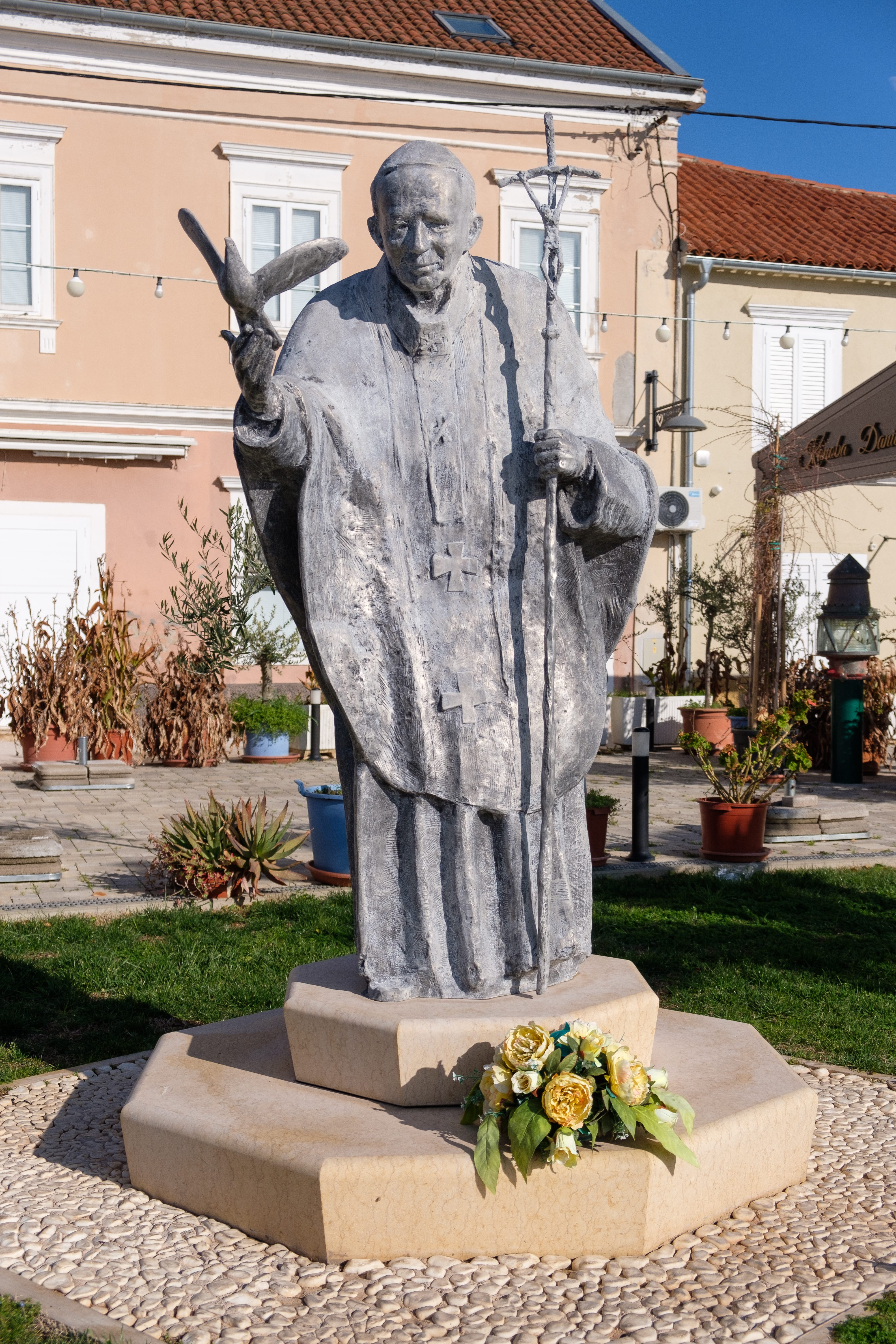
Since 2024, the city has gained another important landmark — a monument to the man without whom Biograd’s tourism story would look entirely different.
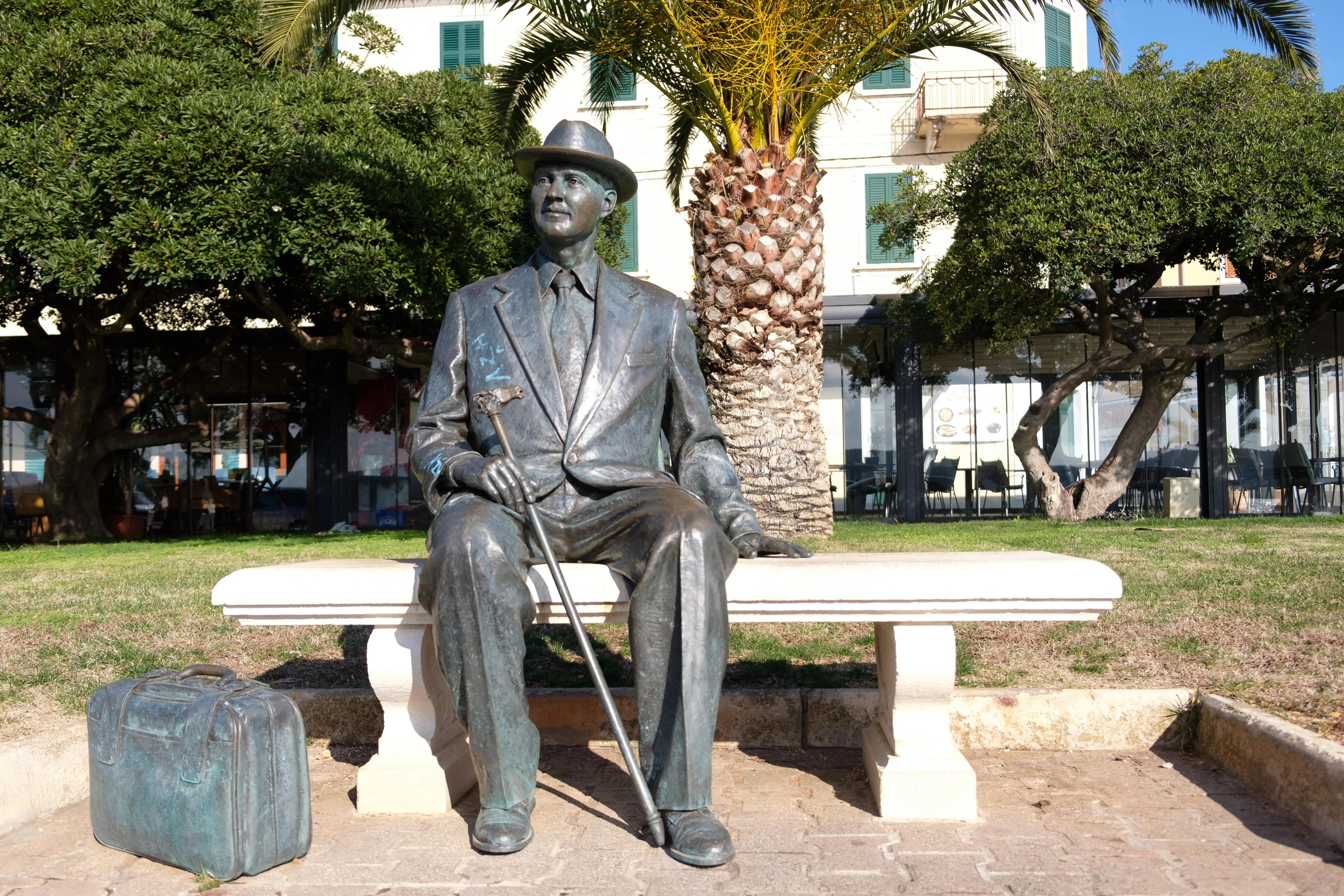
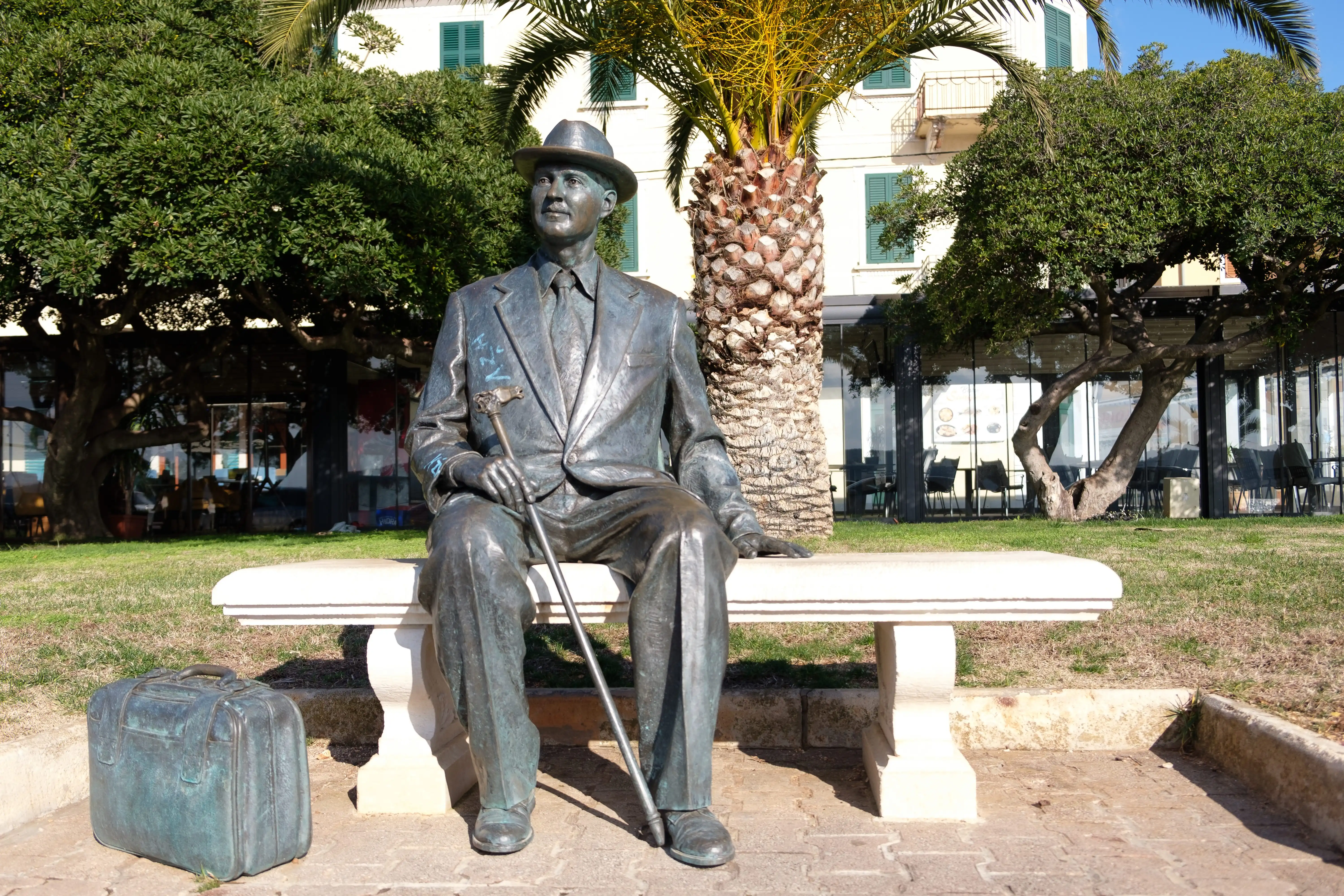
It is a monument to Vagan Melik Karaganjan, a visionary and entrepreneur who in the 1930s laid the foundations of organized tourism in the city.
(Source: Biograd na Moru, 23.2.2026).
A Monument with a Message
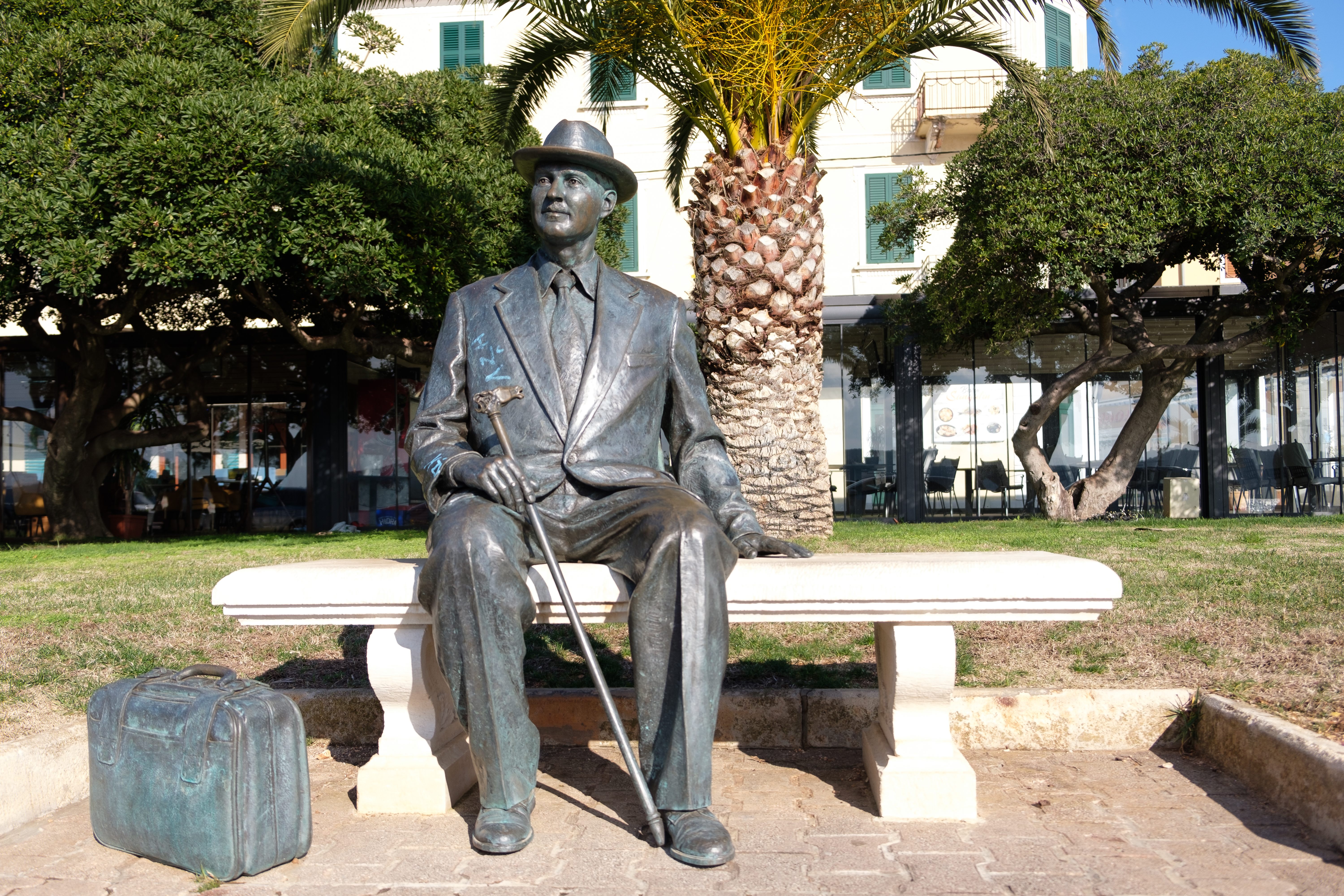
The monument to Vagan Melik Karaganjan was ceremoniously unveiled on 21 September 2024, on the Independence Day of Armenia, the country of his roots.
The author of the monument is Romanian sculptor Stefan Bintintan from the city of Alba Iulia.
For visitors, this monument is not merely a new photographic point in the city. It is a reminder that Biograd has always been an open city, built by people of different cultures, yet united by the same dream.
(Source: Biograd na Moru, 23.2.2026).
Hotel Ilirija: The Beginning of the Tourism Story
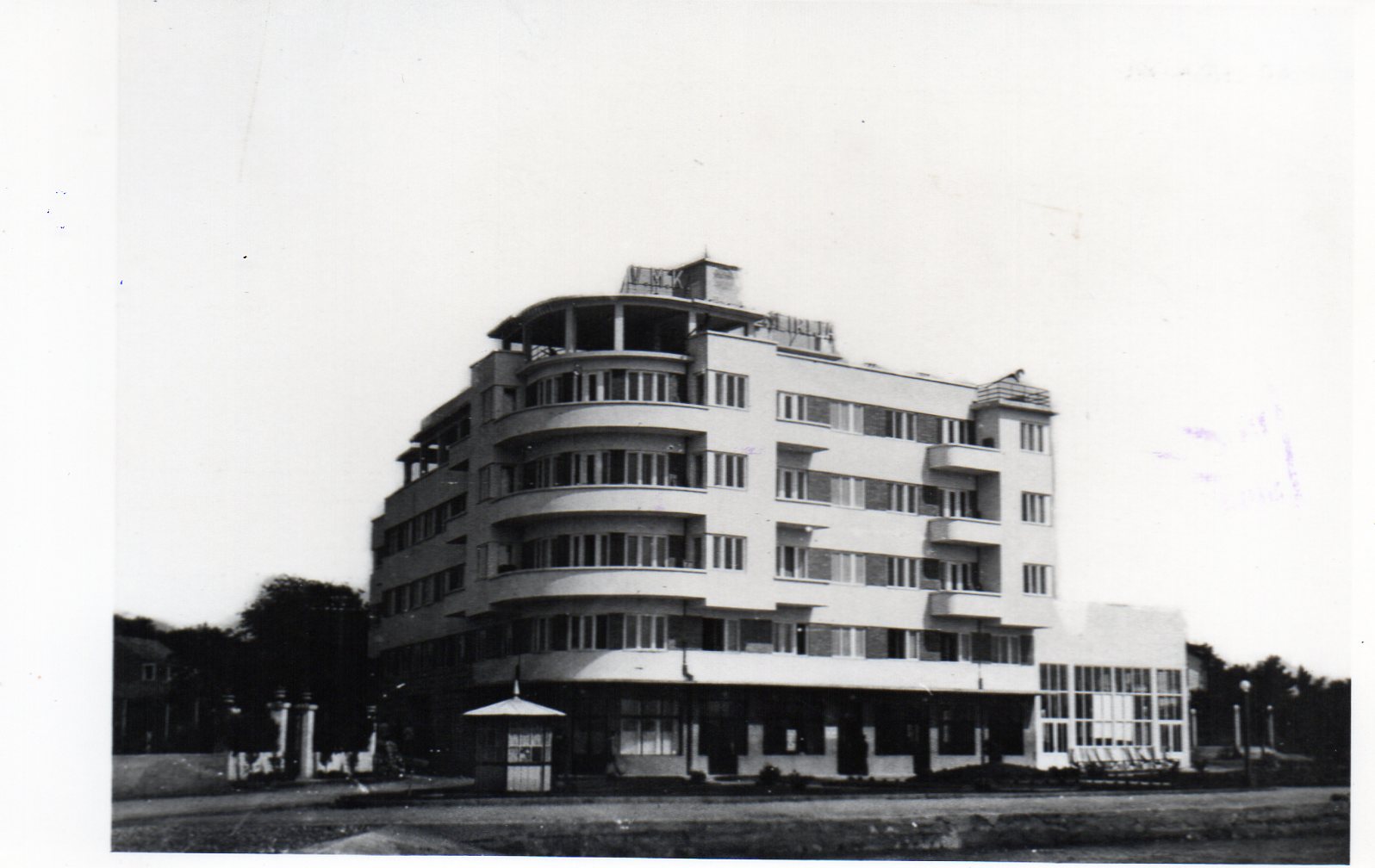
Imagine Biograd in the 1930s. There were no modern marinas, no large tourist complexes. And then, in 1933, one entrepreneur decided to invest his own capital in a project that would change the city’s future.
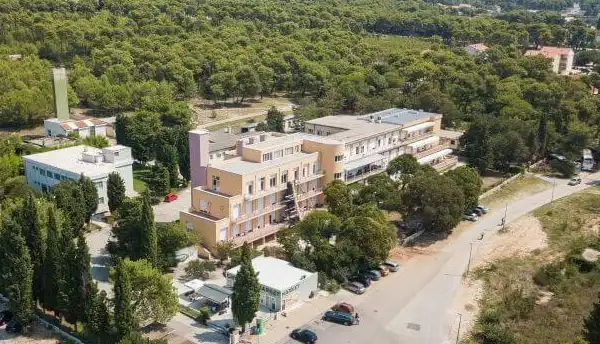
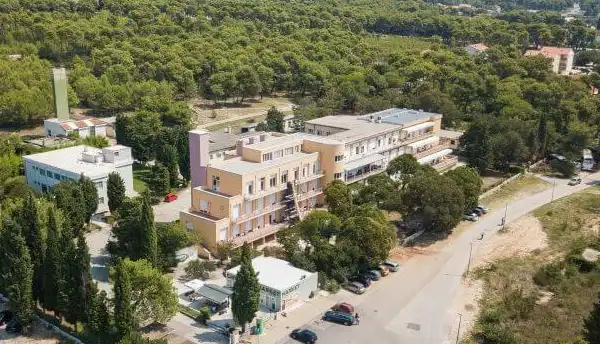
On a plot of land known as Tolićevo gumno, the construction of Hotel Ilirija began.
The hotel opened in 1934 and was exceptionally modern for its time:
- 140 rooms
- 200 beds
- its own power plant
- five garages for automobiles
- a landscaped beach
- a planned tennis court.
At a time when tourism on the Adriatic was only just gaining momentum, this was a bold step forward. Hotel Ilirija was not merely accommodation, but a vision of Biograd as a tourist destination.
(Source: Heritage Museum Biograd na Moru, 23.2.2026).
A Man Who Invested in the Community
Karaganjan was not only an investor. He was part of the community.
He built and donated a summer gathering ground to the “Sokol” society, served as the first president of the Rowing Club Biograd, and advocated the construction of an Orthodox church in the Byzantine style. He was also proclaimed an honorary citizen of Biograd.
His story speaks of a city that has always been open, a city that accepts, connects, and grows thanks to people who recognize something special in it.
(Source: Heritage Museum Biograd na Moru, 23.2.2026).
War, Confiscation and Sentence. Departure Without Return
History rarely allows stories to remain peaceful. During World War II, Hotel Ilirija was confiscated from Karaganjan. It was first turned into a summer resort, and later into a hospital for wounded soldiers.
In 1945, he was accused of speculation and economic sabotage. He was arrested, his property confiscated, and his civil rights revoked for seven years, following a sentence of ten years of forced labor.
His sentence was later reduced to seven years. He was sent to a camp in Vrana. However, by decision of the Presidium of the National Assembly of the Federal People’s Republic of Yugoslavia (FNRJ), he was released from the charges and from serving the sentence, and was officially considered not convicted.
In 1946, he left Biograd. With him went Iva (Ivica) Čepirlo, his life companion. They never married. They had no children. But they remained together until the end.
They spent the rest of their lives in Belgrade. Iva stayed by his side until his death in 1977.
(Source: Heritage Museum Biograd na Moru, 23.2.2026).
A City That Grew Up
Decades later, Biograd returned to him through a monument. Not as a correction of history, but as a sign of remembrance.
For cities, when they grow up, learn to acknowledge those who dreamed them before they became what they are.
Today, the monument to Vagan Melik Karaganjan is not merely a bronze figure. It is a reminder that tourism in Biograd did not happen by chance. Someone imagined it, built it, and believed in it before anyone else.